
Stand a cut carrot top in water and leafy greens really do sprout within about a week. What you will not get is a new orange root, ever. Here's the OSU Extension explanation of why a carrot's growing point can't rebuild a taproot, and what the scrap trick is actually good for.
Tom Marsh
I grow food: vegetables, herbs, fruit. I try to be honest about yield. Celery regrown from a scrap gives you one modest bonus harvest, not a new celery, and I'd rather say so than sell you the photo. When a timing or a number comes from my own kitchen rather than a source, I label it that way in the guide.
My Garden Journal
Greens Come Back. The Root Does Not.
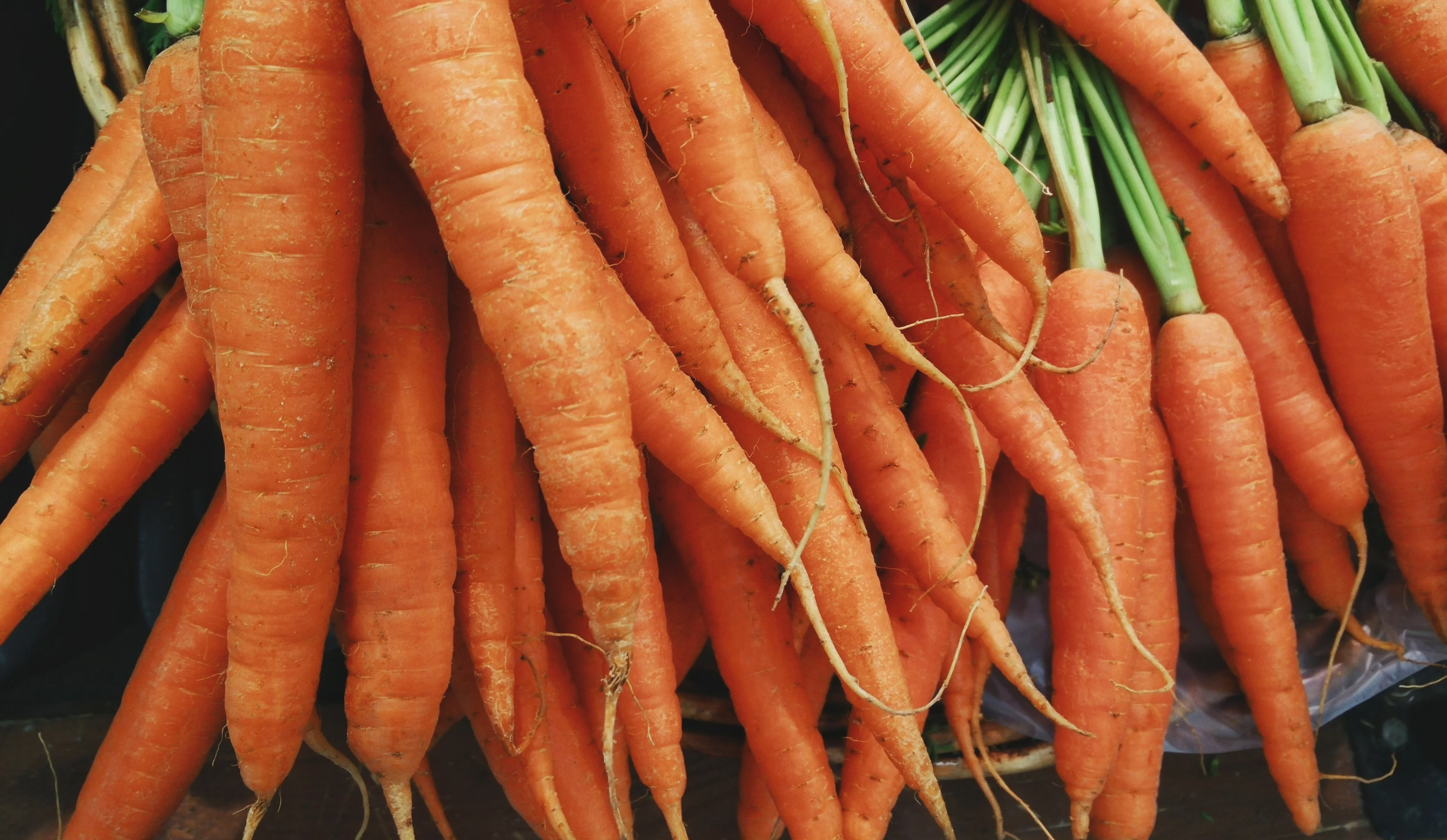
Cut the leafy crown off a carrot, keeping a little of the orange shoulder attached, stand it in a shallow glass of water on a sunny sill, and new leafy greens genuinely do sprout from the center within about a week. That part of the trend is real. What will not happen, no matter how long you leave it or how often you change the water, is a new orange carrot root growing back underneath. This guide splits those two outcomes before you plan on either one.
Why the Greens Come Back
Per Oregon State University Extension Service ("Can I regrow carrots by planting the tops?", Heather Stoven, OSU Extension Horticulturist, Yamhill County, published May 2022, reviewed 2025): cutting off the top removes the carrot's taproot growing point, but the growing tip, called the meristem, that forms leaves survives the cut. That surviving meristem is what pushes new leafy green growth, and per OSU it can also grow adventitious (fibrous) roots, the thin hairlike roots you'll sometimes see forming at the base of a regrowing top. In my own kitchen, standing a healthy cut crown in shallow water with the water changed every day or two produces visible new leaf growth at the center within about a week (my own observation, not OSU's, since the source doesn't put a number on sprouting speed).
Why the Orange Root Never Comes Back
Here is the part the quick-tip posts leave out, and it is the entire point of this guide. Per OSU, that surviving meristem "but never another taproot" once the original root has been cut away. The fibrous roots the crown does grow are not a substitute: they're thin water-and-nutrient roots, not the thick storage organ you'd slice into a salad. A carrot's edible root is a single storage structure built once, from seed, and there is no dormant bud or growing point left inside a cut top capable of rebuilding it. That's structurally different from a bok choy, celery, or leek base, where a cut disc still holds a stem-like growing point that can push a genuinely new (if smaller) cluster of stalks or leaves; a carrot's crown only ever had leaf-making tissue at the top, not root-making tissue.
OSU's page names the only real path back to a new carrot root: let the cut top keep growing, let it flower and set seed, then plant those seeds. That is a full growing season away from the water glass on your sill, and a genuinely different project from the "regrow your veggies" scrap trick this guide is about.
What This Is and Isn't Worth
Worth doing: standing a cut crown in water for a week or two of small leafy greens you can snip for a garnish or a salad, out of a scrap that was headed for the compost anyway, at zero cost.
Not worth doing: expecting, hoping, or waiting for a new orange root to form under the water glass. It structurally cannot, per OSU's own explanation of what survives the cut and what doesn't. If you want an actual second carrot harvest, that means planting carrot seed and growing a full root from scratch, the same as any other carrot crop, not restarting from a kitchen scrap.
Related Guides
- Regrow Celery from Kitchen Scraps, the same honest partial-regrowth story on a different mechanism: celery's base regrows one real stalk flush, where a carrot top only ever regrows leaves.
- Bok Choy Base Regrowth From a Kitchen Scrap: What You Actually Get, another scrap-in-water trick with a real but limited payoff, and the same "read the actual mechanism before you trust the trend" approach.
- Growing Carrots: Soil Prep to Yield, the actual path to a second carrot root: a full from-seed grow, not a kitchen-counter shortcut.
FAQ
Will a carrot top ever regrow a new root if I just wait longer?
No. Per OSU Extension, cutting off the top removes the carrot's taproot growing point permanently; the surviving tissue can only ever produce leafy greens and thin fibrous roots, never another taproot. More time in the water glass doesn't change that.
How long until the top actually sprouts new leaves?
This part is a personal observation, not a sourced figure, since OSU's page doesn't give a sprouting timeline: in my own kitchen, visible new leaf growth at the center shows up within about a week of standing a healthy crown in shallow water with regular water changes.
Is it worth doing at all if there's no root payoff?
Yes, as a small bonus, not a real harvest. You get a week or two of usable leafy greens for a garnish or salad out of a scrap that was headed for the compost anyway, at zero cost. Just don't plan a meal around a root that isn't coming.
What's the actual way to grow a new carrot?
Per OSU, the only path from a cut top back to a new root is to let it flower, set seed, and replant those seeds, which is a full growing season, not a kitchen-counter trick. Short of that, the ordinary route is planting carrot seed directly, the same as any other carrot crop.
Share This Guide
Related Guides
Continue learning with these related guides
Also in Vegetables
Growing Sweet Potato Slips From a Grocery Root: What Actually Happens
Regrow Ginger From a Rhizome Piece: What You Actually Get
Growing Radishes: Why Crowded Roots Never Bulb
Leek Base Regrowth From a Kitchen Scrap: What You Actually Get